
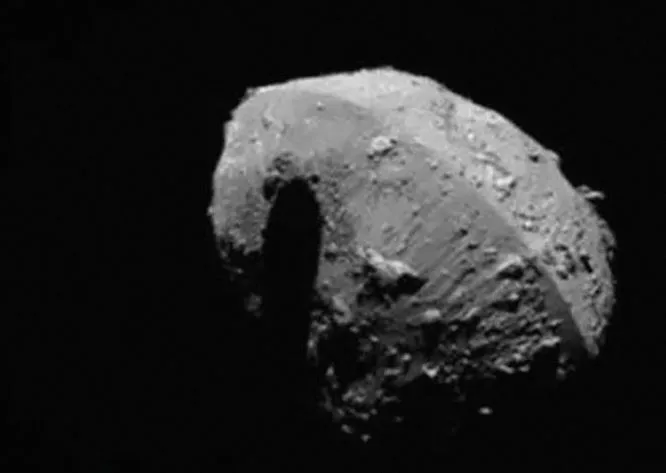
The European Space Agency is preparing to reveal the first intimate glimpses of Dimorphos, an asteroid that became the center of global attention when NASA intentionally crashed a spacecraft into it two years ago. As part of the Hera mission, scientists are working to understand exactly how that collision altered the celestial body’s path and physical structure. Ensuring these high-resolution images are captured accurately requires extreme precision, which is where a specialized piece of technology from Dublin comes into play.
At the heart of the spacecraft sits ARIETIS-NS, a sophisticated gyroscope system designed and manufactured by InnaLabs in Blanchardstown. This critical component acts as the eyes’ stabilizer for Hera, measuring rotation across three different axes to ensure the onboard cameras remain locked onto their target despite the vacuum of space. Without this stability, capturing clear data on a rock moving millions of kilometers away would be nearly impossible. Since launch, the device has already proven its worth by helping the craft orient its solar panels toward the sun and maintain balance after separating from its rocket.
For John O’Leary and his team at InnaLabs, seeing their local craftsmanship contribute to such a massive interplanetary achievement is a moment of immense pride. The project was developed alongside ESA with backing from Enterprise Ireland, eventually beating out American alternatives to become the primary choice for the mission. Now that Hera has passed Mars and approached its destination, early data suggests the equipment is performing perfectly, even catching sightings of Dimorphos casting shadows across its larger companion asteroid, Didymos.
Beyond this single encounter, the success of the ARIETIS system is opening doors for further deep-space exploration. InnaLabs has already provided hardware for upcoming ventures like RAMSES, which will study another asteroid called Apophis during its dangerously close approach to Earth in 2029. With additional contracts secured for missions tracking exoplanets and monitoring land temperatures via satellite, this small corner of Dublin is becoming an essential hub for the tools humanity needs to navigate and monitor the cosmos.