
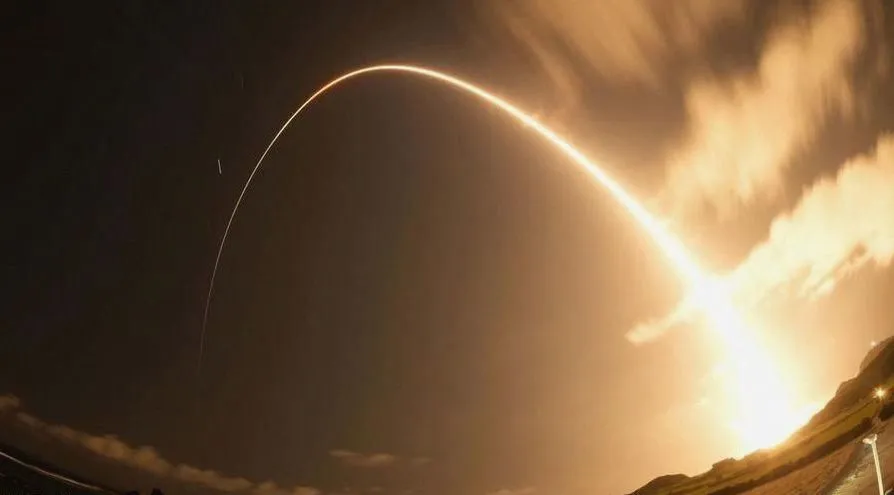
The quiet dawn at the Tanegashima Space Center was shattered late Monday morning as a flagship H3 rocket tore through the darkness, carrying Japan’s latest ambitions toward the Red Planet. Flight controllers erupted in cheers and embraces as the Martian Moons eXploration probe successfully separated from its booster an hour later, beginning a long trek that marks a pivotal moment for international space exploration. For scientists like Mari Aida of JAXA, the successful launch was the culmination of a lifelong dream, sparking relief and excitement among thousands who watched the event unfold via livestream.
Scheduled to arrive in August 2027, the probe is targeting Phobos, the larger of Mars’ two irregularly shaped moons. This isn’t just a flyby mission; it is an ambitious attempt to pull physical pieces of another world back to Earth. Once there, the craft will deploy Idefix, a compact French-German rover roughly the size of a microwave oven, to scout the terrain. After ensuring a safe touchdown, the main probe plans to spend two hours gathering at least ten grams of lunar material before charting a course home by 2030.
Beyond the thrill of sample collection, researchers believe this mission could solve an ancient cosmic mystery regarding how Mars and its satellites were born. Scientists are currently divided between two theories: whether these moons are remnants of a massive collision with the planet or simply wandering asteroids caught in Mars’ gravitational grip. Determining which theory is correct would provide essential clues about how habitable environments form on rocky planets throughout our solar system.
This endeavor serves as more than just a scientific curiosity; it is viewed as critical preparation for future human footsteps on Mars. By testing whether Phobos can serve as a natural space station for astronauts, JAXA and its partners in Europe and America are laying the groundwork for deep-space habitation. As other global powers compete to return materials from Mars itself, Japan’s focused approach on its moons may very well secure them as the first nation to deliver Martian system samples back to laboratories on Earth.