
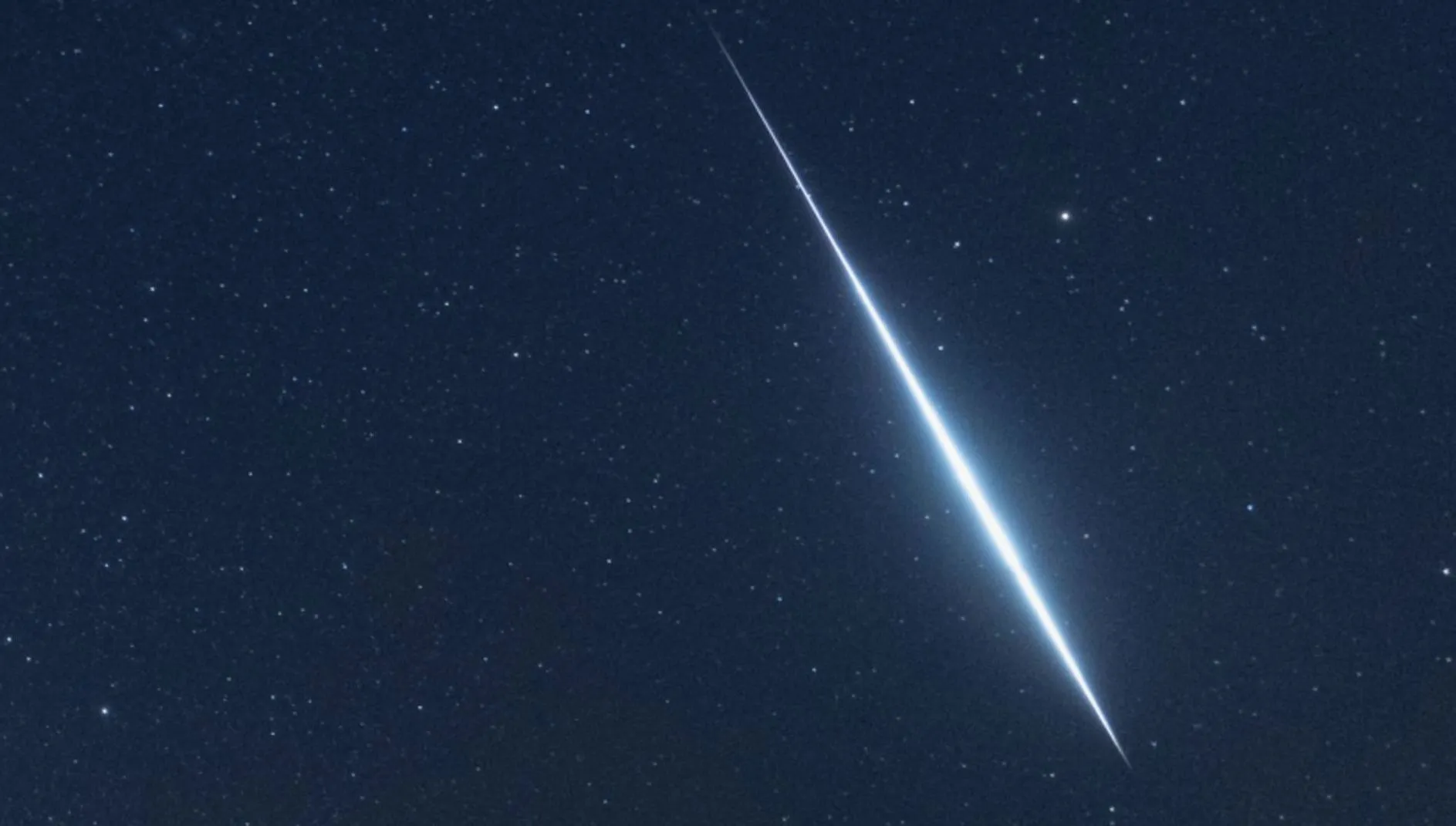
Stargazers should keep their eyes peeled tonight as the Orionid meteor shower reaches its peak. This celestial display occurs when Earth passes through the densest part of the debris trail left behind by the famous Comet 1P/Halley, which is currently making its long journey back toward our sun before returning to the inner solar system in 2061. Under ideal conditions, NASA suggests that observers could see between ten and twenty shooting stars every hour as these tiny cosmic shards burn up upon entering our atmosphere.
While the potential for brilliance is high, some enthusiasts may face a challenge due to the current phase of the moon. Because we are seeing a waxing gibbous moon just a few days shy of being full, the extra lunar light will likely wash out some of the fainter meteors, reducing the total number of visible streaks. To get around this, experts recommend waiting until the early morning hours of October 22nd. Once the moon sets and the radiant point rises higher in the sky, visibility should improve significantly.
For those looking to catch a glimpse, look toward the constellation Orion near the red star Betelgeuse, though you shouldn’t stare directly at that specific point. Instead, glance about forty five to ninety degrees away from Betelgeuse to see longer, more dramatic trails caused by an optical effect called foreshortening. For US viewers, these meteors typically begin appearing above the eastern horizon about an hour before midnight.
To make the most of the experience, it is essential to escape city light pollution and give your eyes roughly half an hour to adjust to the darkness. If you venture into remote areas, remember to tell someone your location for safety and use a red flashlight to navigate without ruining your night vision. With a bit of patience and a clear view of the autumn sky, you might just witness one of nature’s most spectacular pyrotechnic shows.