
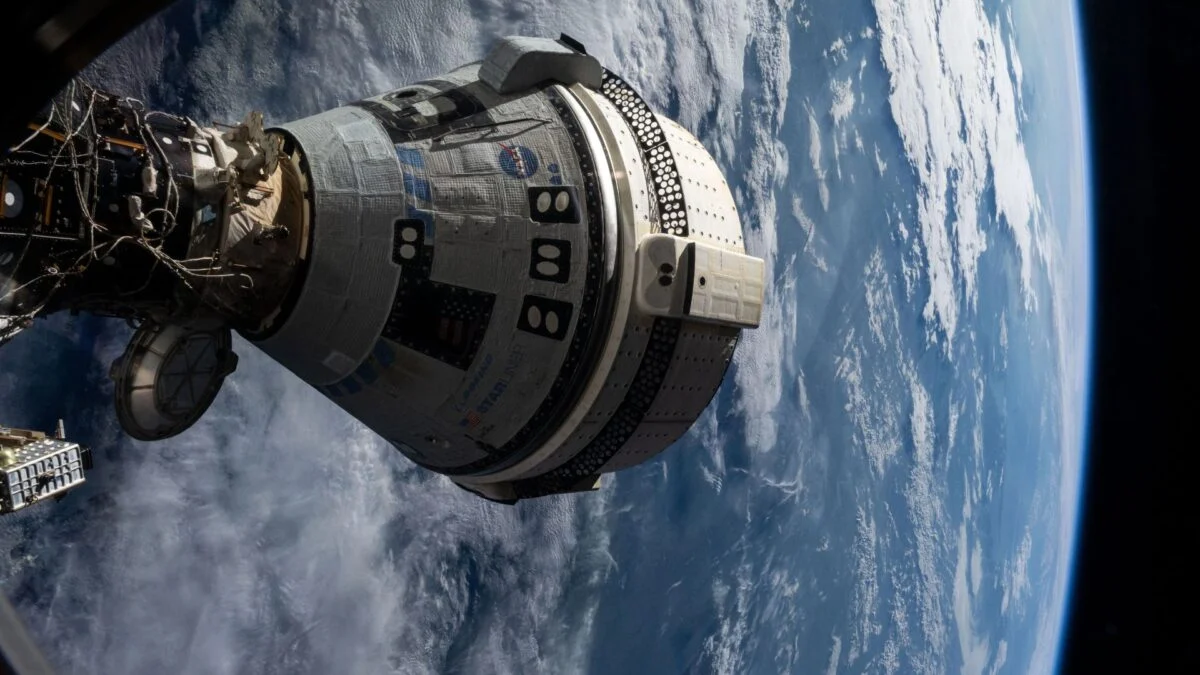
NASA is moving forward with a high stakes plan to rescue Boeing’s struggling Starliner program, setting a critical deadline for the spacecraft to prove its reliability. During a press conference on Monday, NASA Administrator Jared Isaacman announced that the next uncrewed flight will take place no earlier than December. If this engineering evaluation mission succeeds in verifying necessary repairs, the agency expects to clear the vehicle for crewed missions to the International Space Station by mid 2028. For Boeing, this represents a final opportunity to redeem a program plagued by delays and technical failures.
The urgency behind these tests stems from a dwindling number of options for transporting American astronauts into low Earth orbit. Currently, SpaceX’s Crew Dragon remains the only operational domestic vehicle available, but Elon Musk’s company plans to retire both the Falcon rocket and Dragon capsule by 2030 to focus on the development of Starship. While NASA recently secured three additional missions with SpaceX through nearly a billion dollar contract, the agency is desperate to avoid relying on a single provider. Isaacman noted that given the massive amount of taxpayer money already sunk into Starliner, it remains the fastest route to ensuring redundant access to space.
This push for viability follows a disastrous series of events that left astronauts Butch Wilmore and Suni Williams stranded on the space station long after their intended stay. Their June 2024 journey was marred by failing thrusters and persistent helium leaks, eventually leading NASA to deem the craft unsafe for a crewed return trip. The astronauts were ultimately rescued via a SpaceX vehicle while Starliner returned empty in September. In hindsight, NASA admitted that its desire to maintain multiple transport systems may have clouded some early operational decisions, officially classifying those failures as a Type A mishap.
As Boeing works to finalize fixes for its propulsion and thermal systems, NASA officials emphasize that safety cannot be compromised despite the ticking clock. Dana Weigel, manager of NASA’s Low Earth Orbit Program, explained that upcoming tests will utilize disciplined operational controls to validate every change made since the last failure. With SpaceX transitioning away from its current fleet and billions at stake, Starliner must now transform from a liability into a lifeline if it hopes to survive until 2030.