
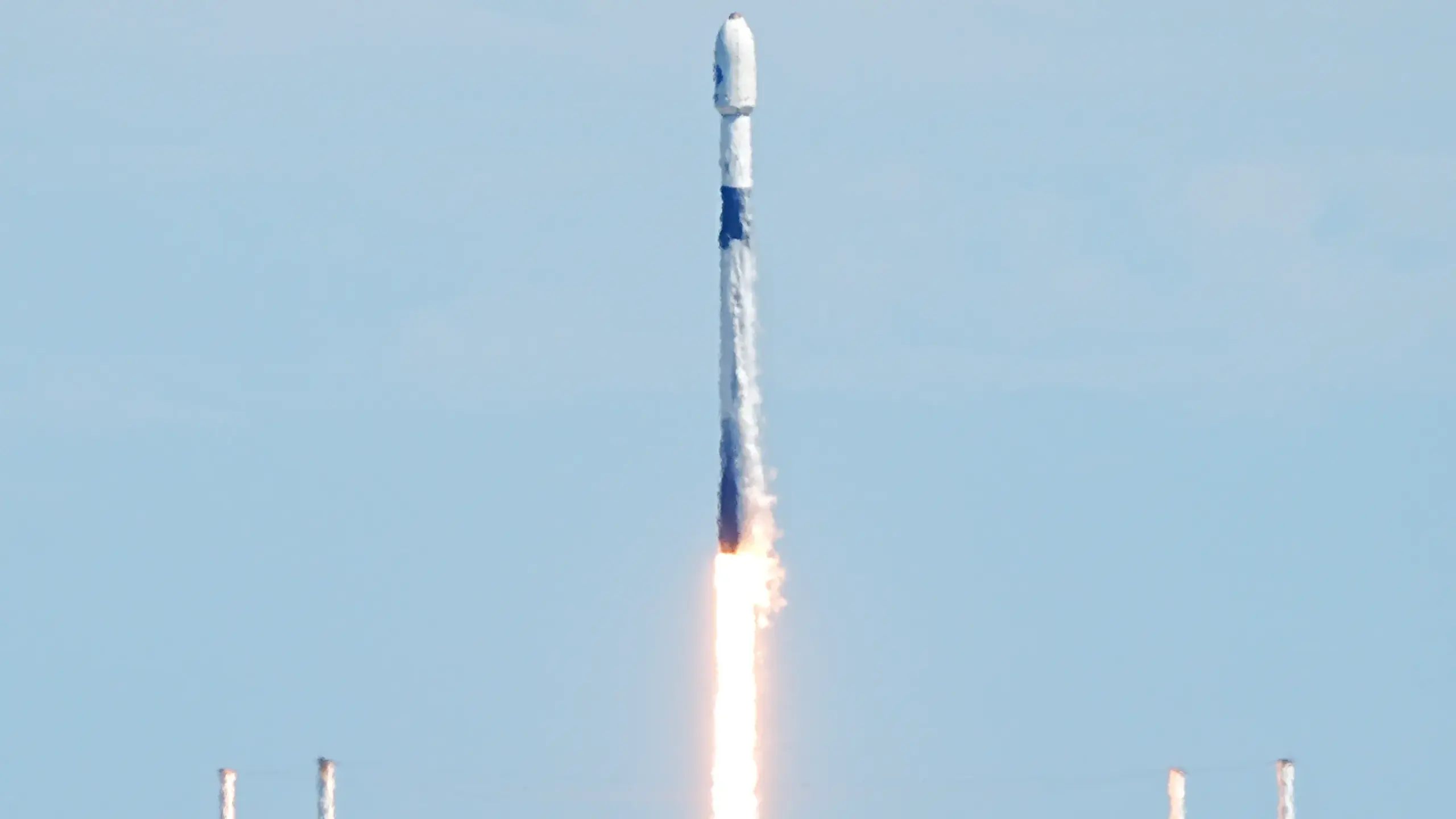
SpaceX successfully launched three SES O3b mPOWER satellites from Cape Canaveral Space Force Station on Sunday afternoon, marking the 56th orbital launch from Florida’s Space Coast so far this year. The Falcon 9 rocket lifted off exactly at 2:49 p.m., cutting through the atmosphere after a tense wait for weather clearance. Earlier in the day, meteorologists had been tracking a line of severe thunderstorms moving from the Gulf Coast toward Orlando, bringing concerns of lightning and high winds that could have scrubbed the mission.
Despite those atmospheric threats, the window remained open long enough for a go decision. As the countdown progressed, probabilities shifted until the 45th Weather Squadron gave the green light shortly before fueling began at Launch Complex 40. Local residents and tourists gathered at various viewing sites around the Kennedy Space Center Visitor Complex to witness the ascent, while Brevard County Emergency Management stood by with active launch operations support teams throughout the proceedings.
The excitement continued well after liftoff as SpaceX focused on recovering its hardware. Minutes after reaching orbit, the Falcon 9 first-stage booster performed a precision descent and touched down safely aboard the drone ship A Shortfall of Gravitas in the Atlantic Ocean. This particular booster is becoming a veteran of the fleet, having completed its 29th single mission after supporting previous flights including several Starlink deployments and Axiom space missions.
Once it was confirmed that both the satellites were on their way and the booster had landed securely at sea, Brevard County officials officially deactivated their emergency support teams. With another seamless operation in the books, SpaceX continues its rapid pace of activity along the coast, following closely on the heels of August’s heavy lift of NASA’s Nancy Grace Roman Telescope.