
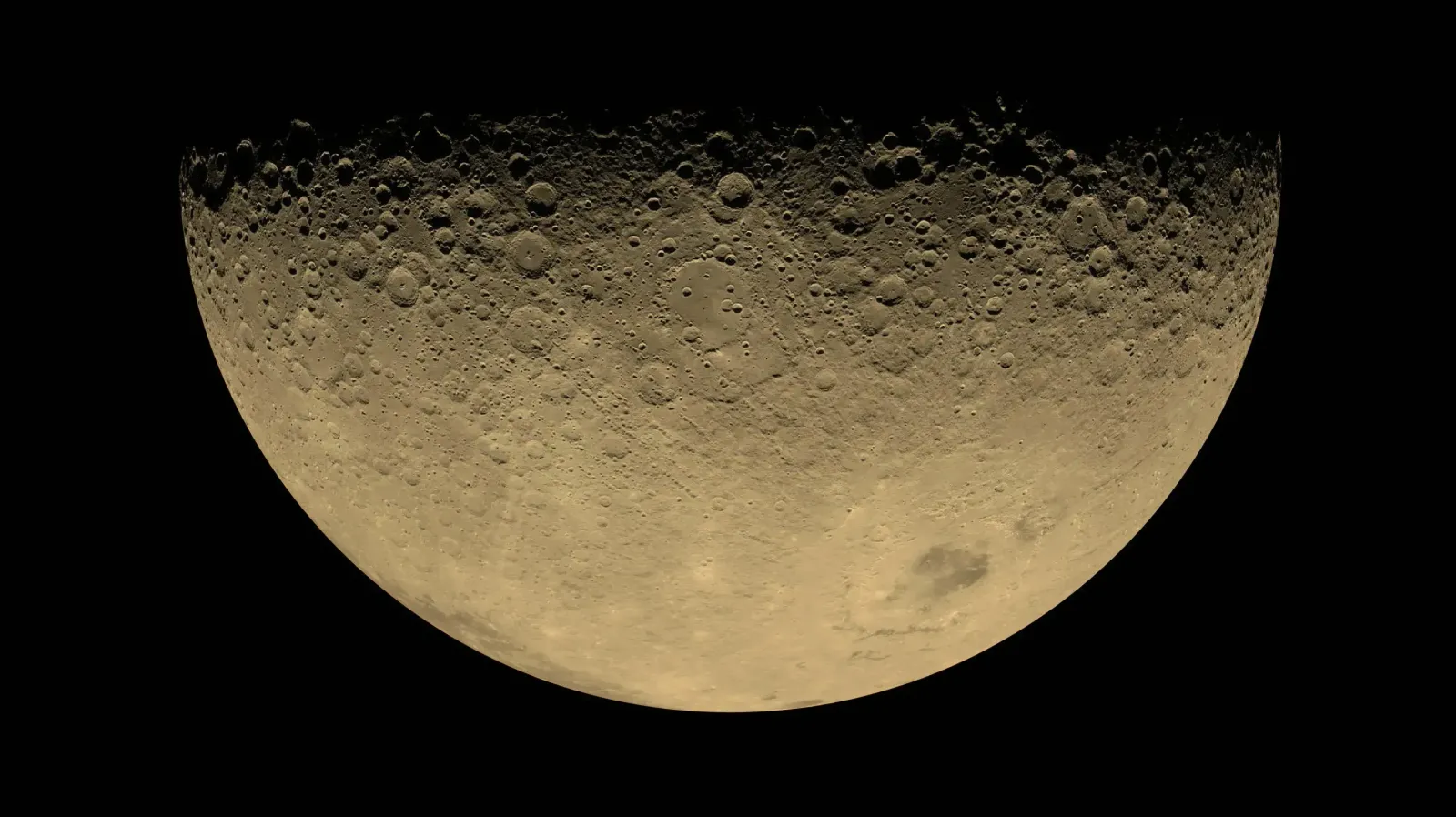
Stargazers should prepare their telescopes and cameras for a rare celestial marathon starting this November. A stunning sequence of four consecutive supermoons is set to illuminate the night sky beginning on November 24 with the arrival of the Beaver Moon. This event marks the start of a lunar streak that will stretch well into the new year, offering an unusual period of enhanced brightness and size for those looking upward.
Following the Beaver Moon, which takes its name from the seasonal habits of industrious rodents preparing for winter, the spectacle continues with the Cold Moon on December 23. This particular appearance will be the highlight of 2026, as it represents the moment the moon reaches its closest proximity to Earth at approximately 221,700 miles. The momentum carries into 2027 with two more displays, featuring the Wolf Moon on January 22 and concluding with the Snow Moon on February 20.
While astronomers technically refer to these events as perigean full moons, the public knows them better as supermoons. This phenomenon happens when a full moon coincides with its closest approach to our planet in its elliptical orbit. Because of this positioning, these moons can appear up to 14 percent larger and 30 percent brighter than usual, creating a luminous glow that often dominates the nighttime landscape.
For those hoping to capture the perfect photograph or simply enjoy the view, experts suggest watching during moonrise or moonset. During these times, a psychological trick known as the moon illusion makes the lunar disk appear even more massive as it sits near the horizon. Whether framed by autumnal colors in November or frozen vistas in February, this upcoming quartet of supermoons promises a visually striking winter season for nature lovers everywhere.