
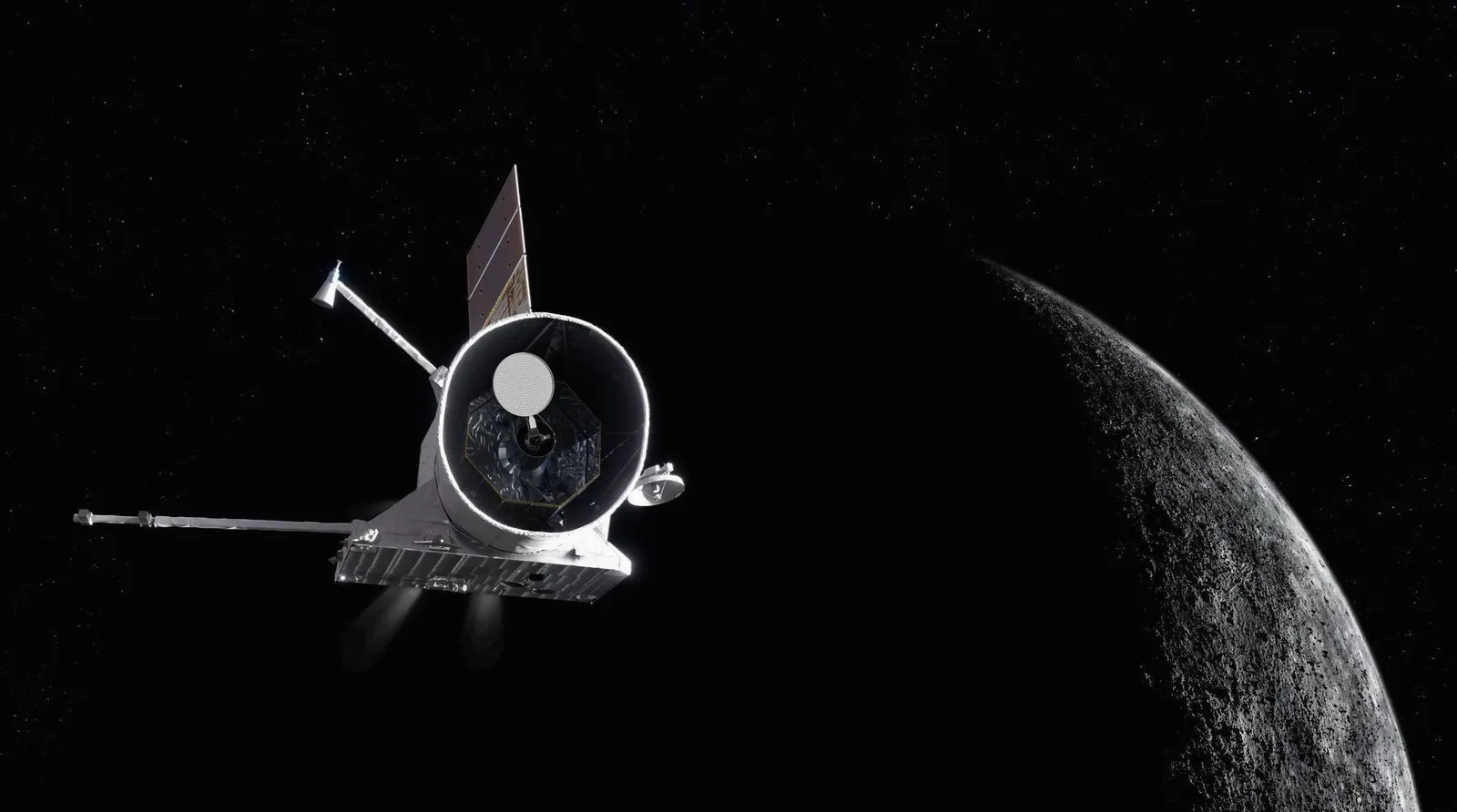
After a grueling eight year odyssey through the inner solar system, the BepiColombo spacecraft is finally arriving at its destination. This ambitious collaboration between the European Space Agency and the Japan Aerospace Exploration Agency marks a significant milestone in planetary exploration as the probe attempts to enter orbit around Mercury today. The critical maneuver depends on a precise thirty seven minute engine burn scheduled for early afternoon Eastern Standard Time, a move designed to slow the craft enough to be captured by the small planet’s gravity.
Reaching Mercury is notoriously difficult due to its proximity to the sun, which accelerates incoming spacecraft to extreme speeds. To combat this, engineers plotted a complex, winding trajectory that included multiple flybys of Earth, Venus, and Mercury itself. While the journey took slightly longer than originally planned due to technical issues with its solar panels, the persistence of the international team has paid off. The mission actually consists of two distinct orbiters, Europe’s Mercury Planetary Orbiter and Japan’s Mio, which traveled together using a specialized transfer module.
Although today represents a major victory, the process of settling into place will be gradual. The two probes are currently still connected and aren’t expected to separate until December. Once independent, Mio will take up a highly elliptical polar orbit while its partner begins a slower transition toward its own designated path, reaching its final position by March 2027. These staggered orbits are intentional, allowing each craft to view the scorched world from different angles and perspectives.
Scientific operations are slated to officially begin in April 2027, focusing on everything from Mercury’s massive iron core to its strange magnetic field and interactions with solar winds. By studying such an extreme environment so close to our parent star, researchers hope to unlock deeper secrets about how our entire solar system formed and evolved billions of years ago. For now, eyes remain fixed on those crucial few minutes of braking maneuvers that will determine if these robotic explorers have truly come home.