
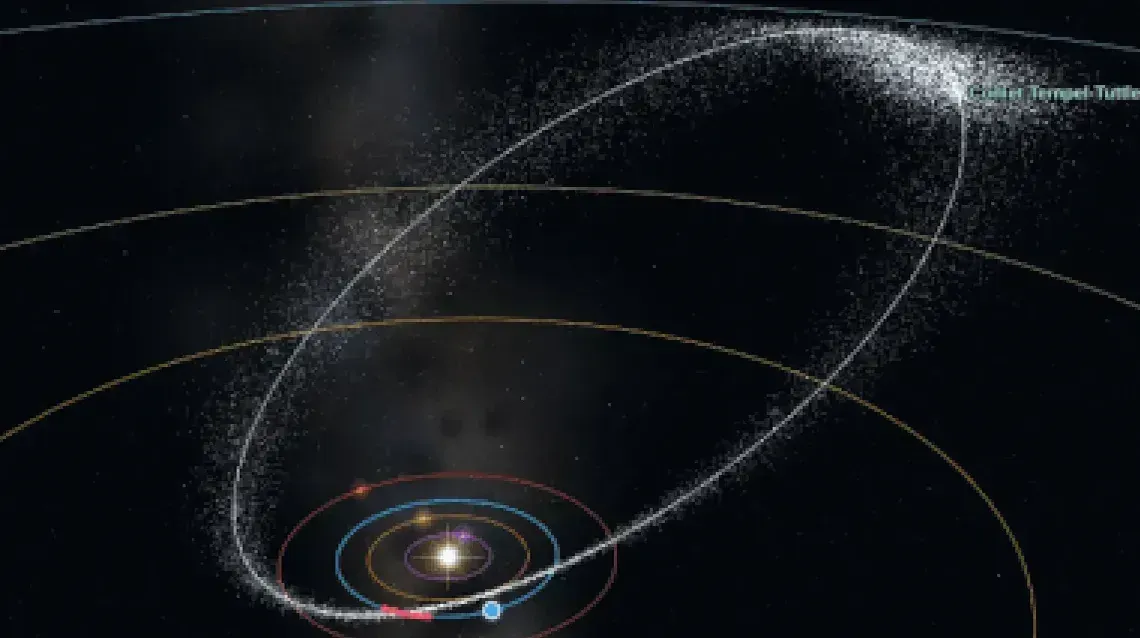
Stargazers are preparing for the return of some of the fastest visitors in our solar system as the Leonid meteor shower reaches its peak on the night between November 17 and 18. These cosmic streaks race toward Earth at a staggering 71 kilometers per second, often leaving glowing tails that linger in the darkness for several seconds. While they may look like falling stars, these flashes are actually tiny fragments of debris from Comet Tempel Tuttle that ignite as they slam into our atmosphere.
Though the Leonids typically offer fewer sightings than the massive displays seen in August or December, they are prized for their intensity. Observers can keep an eye out for fireballs, which are exceptionally bright bursts caused by larger pieces of space rock, or earth grazers that skim the top of the atmosphere to create long arcs near the horizon. Every few decades, this shower can even evolve into a meteor storm with thousands of streaks per hour, though current forecasts suggest a more modest but still beautiful display of about 15 meteors per hour.
To catch the show, experts recommend finding a wide open area far from city light pollution and allowing your eyes about twenty minutes to fully adapt to the dark. Because the meteors appear to radiate from the constellation Leo, which rises in the east around midnight, the prime viewing window falls between midnight and dawn. Fortunately, because the half moon sets early on peak night, viewers will have plenty of deep black sky to enhance visibility.
While people in both hemispheres can participate in the event, those in the Northern Hemisphere generally have a superior vantage point since Leo climbs higher in their sky. Those living south of the equator should plan their watching for the final couple of hours before sunrise. Whether you are using a professional telescope or simply lying on a blanket in your backyard, it is a perfect opportunity to witness one of nature’s most enduring celestial traditions.