
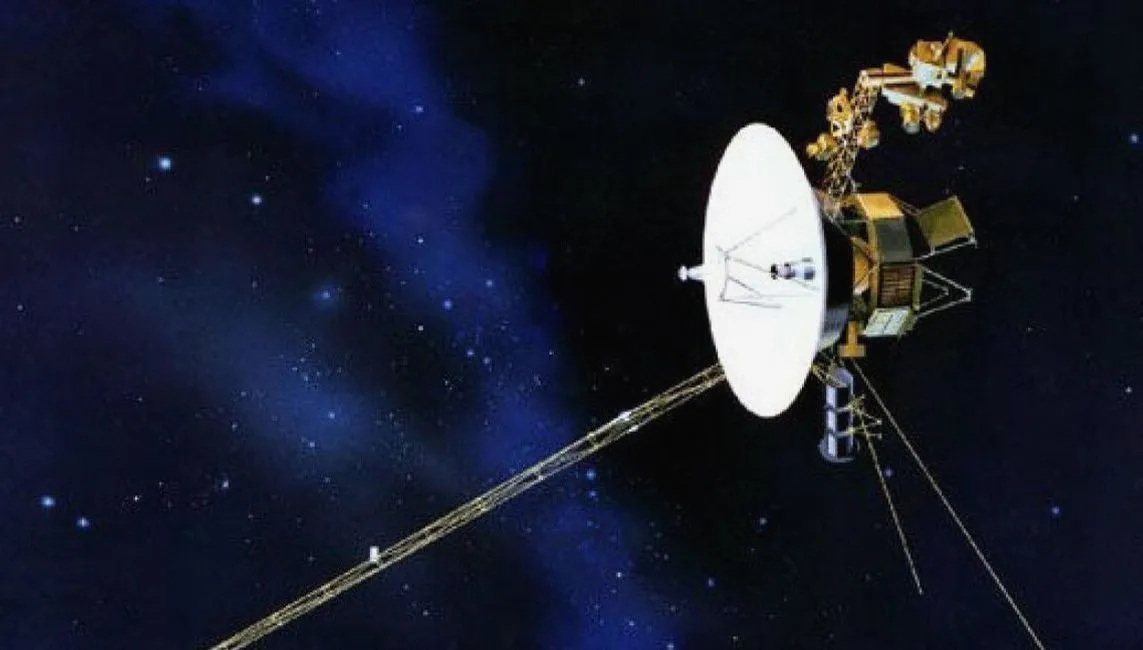
Humanity is about to witness a quiet but staggering milestone in exploration as Voyager 1 prepares to become the first man-made object to drift one light-day away from home. Traveling at roughly thirty eight thousand miles per hour, the veteran probe is pushing further into the cosmic void than anything we have ever sent. While sixteen billion miles is a number too large for most of us to comprehend, NASA suggests that calling it a light-day is far more poetic.
To celebrate the achievement, space officials are inviting people across the globe to participate in a symbolic farewell called Shine Bright for Voyagers Light-Day. After sunset on November seventeenth, enthusiasts are encouraged to use flashlights or an official NASA website to blink out the letters VGR in Morse code toward the stars. The goal is to create a shimmering ring of golden light encircling the Earth, serving as a collective salute to a machine that continues to defy expectations nearly fifty years after its launch.
Of course, there is no actual chance that Voyager 1 will see these flashes. Its cameras were powered down decades ago following the capture of the iconic Pale Blue Dot photograph, meaning the gesture is purely sentimental. Still, it mirrors previous emotional events like The Day the Earth Smiled in twenty thirteen, reminding us of our tiny place in a vast universe and honoring the engineering brilliance that keeps such an ancient piece of hardware communicating across the abyss.
While Voyager 1 claims this particular record now, its sibling Voyage 2 likely won’t hit the same mark for another nine years due to its different trajectory past Uranus and Neptune. Even then, it remains an open question whether its dwindling power supplies will hold out long enough to announce its arrival. For now, all eyes turn upward for one night as we wave goodbye to our furthest ambassador heading deeper into the dark.