
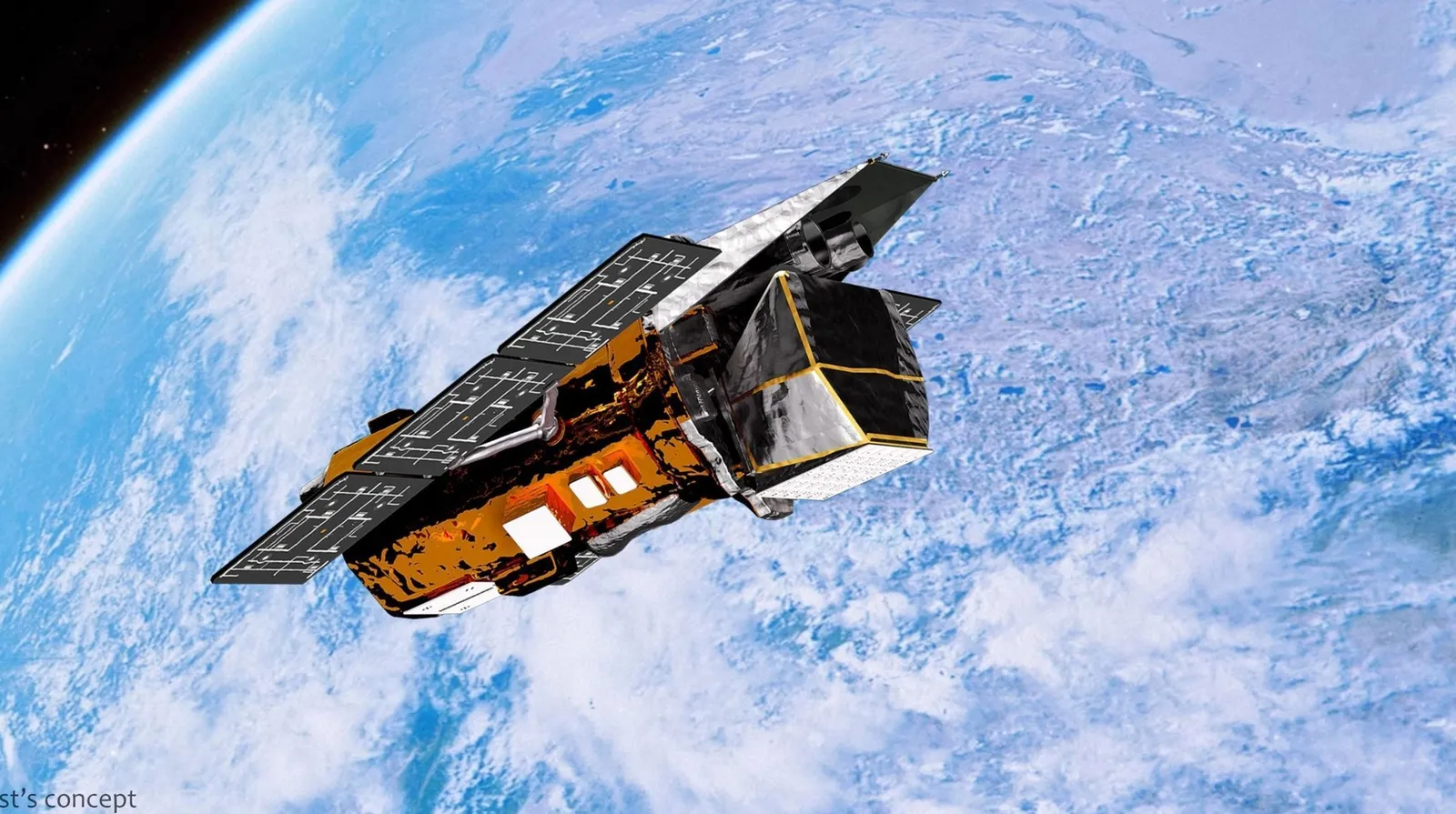
After more than two decades of scanning the deepest reaches of the cosmos, NASA’s Neil Gehrels Swift Observatory made its final descent to Earth on Monday morning. The 3,200 pound telescope plummeted through the atmosphere at approximately 7:39 a.m. EST, with tracking data indicating it broke up over northern Sumatra. While the sight of a minibus sized piece of machinery falling from space sounds daunting, NASA officials noted that most of the craft likely incinerated upon reentry, leaving a negligible risk to people on the ground.
The loss comes as a bittersweet conclusion following a daring but unsuccessful attempt to save the aging observatory. Just last year, NASA partnered with Arizona based Katalyst Space in a thirty million dollar gamble to extend the telescope’s life. The plan involved using a specialized robotic spacecraft called LINK to rendezvous with Swift and push it into a higher orbit to combat atmospheric drag. However, technical failures within the rescue ship’s propulsion and orientation systems doomed the encounter, and both vessels eventually succumbed to gravity.
Despite its sudden end, Swift leaves behind an extraordinary legacy that far exceeded all expectations. Originally launched in 2004 for a modest two year mission, the telescope remained productive for twenty years, acting as an agile sentinel capable of detecting massive gamma ray bursts and pivoting its cameras in under a minute to capture fading afterglows. Throughout its tenure, it observed thousands of supernovas and black holes, fundamentally altering our understanding of how stars die and galaxies evolve.
While scientists will miss the unique capabilities of the observatory, NASA leaders maintain that even the failed rescue mission provided valuable lessons in satellite servicing technology. As orbital debris becomes an increasing concern globally with several large objects falling daily, Swift serves as a reminder of both the fragility of our orbiting tools and the immense rewards gained when we push them beyond their intended expiration dates.