
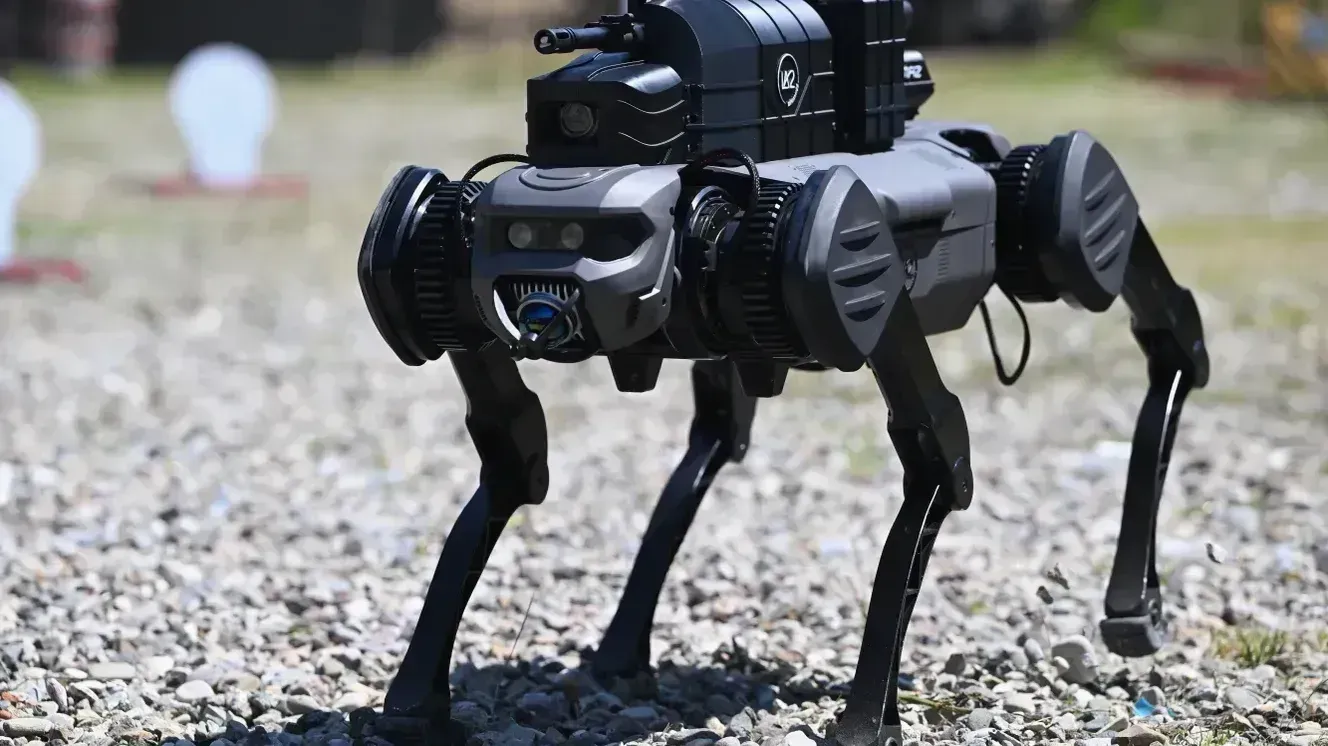
Diplomats gathered in Geneva this week are facing an urgent race against time as they attempt to establish rules for lethal autonomous weapons systems. These machines, colloquially known as killer robots, represent a paradigm shift in warfare where software rather than soldiers makes the final decision to kill. While current AI assisted weaponry seen in conflicts like those in Ukraine and Gaza still relies on remote human operators, experts warn that fully independent killing machines could become a reality within months.
The humanitarian stakes are immense, according to advocates who argue that removing human judgment from the battlefield crosses a fundamental moral red line. Organizations like the International Committee of the Red Cross fear that algorithms simply cannot navigate the chaos of war or interpret subtle human cues, such as whether a soldier is attempting to surrender or is too wounded to fight. There is also a growing dread regarding proliferation, with warnings that cheap drone swarms could eventually fall into the hands of terrorists or be used by oppressive regimes to target citizens based on clothing, language, or political affiliation.
Despite these alarms, achieving a global agreement remains difficult due to deep geopolitical divisions. A coalition of around 50 nations including France and Germany is pushing for a strict timeline for legally binding bans. However, major powers like the United States, Russia, and Israel remain resistant to mandatory restrictions, with Washington favoring non binding guidelines instead. This tension highlights a recurring struggle within UN negotiations where consensus is required for success.
As the meetings continue, some diplomats suggest a compromise involving open ended negotiations that allow individual states to decide how strictly they apply any resulting rules. While this approach might prevent total deadlock in Geneva, critics argue it is merely delaying an inevitable crisis. For many observers, the question is no longer if this technology will arrive, but whether humanity can build a legal fence around it before it arrives on its own terms.