
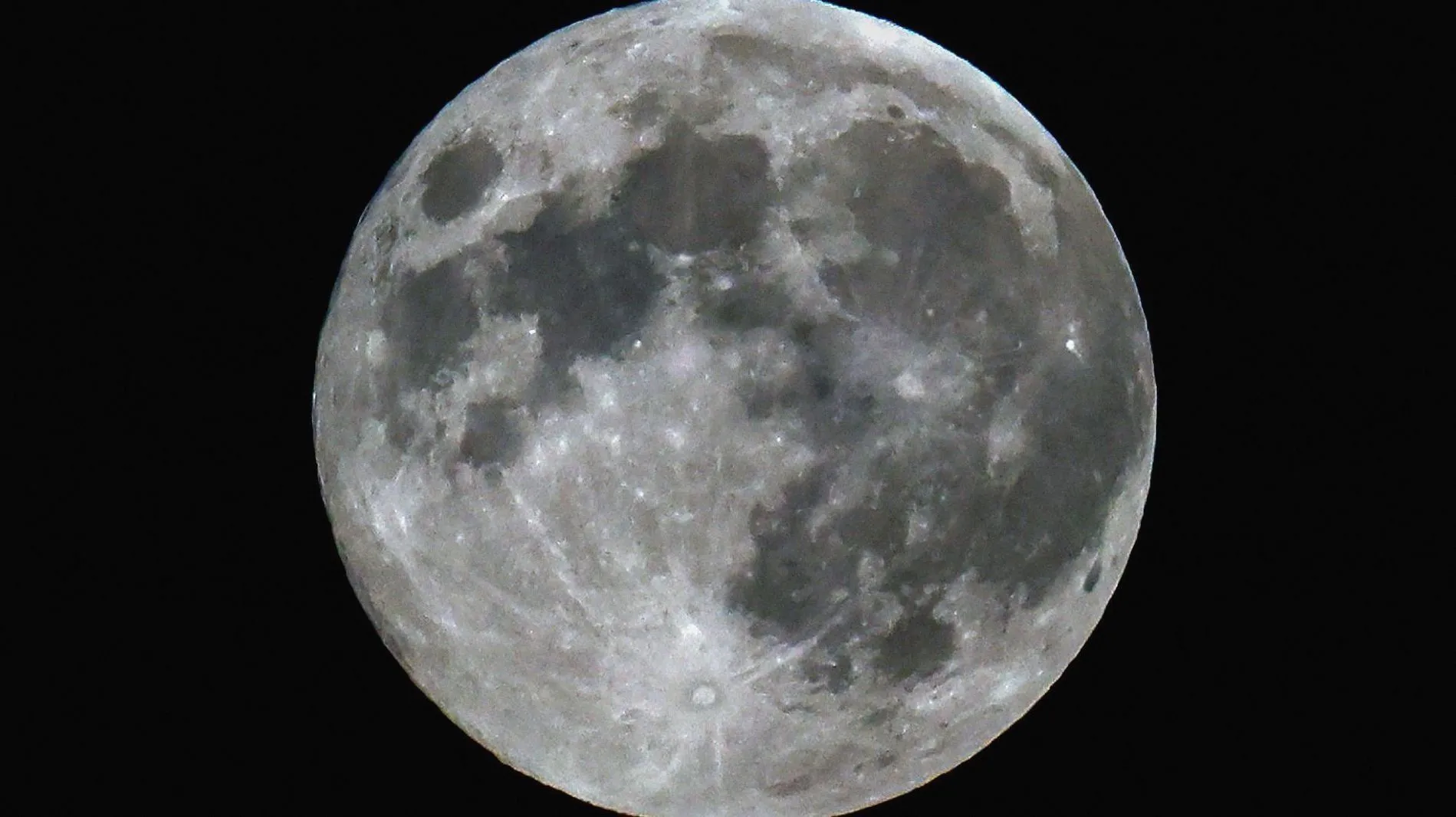
Skywatchers should keep their eyes peeled tonight as the October full moon makes its grand appearance. Reaching peak illumination shortly after midnight on October 26, this celestial event offers a unique opportunity to study the moon’s geography. Because the sunlight hits the surface directly, the usual shadows that define deep craters disappear, allowing observers to clearly see the vast, dark basaltic plains known as lunar seas. Those with telescopes might even spot shimmering streaks of debris flung across the surface from ancient asteroid impacts.
For those in the United States, the spectacle begins at sunset on October 25 as the moon climbs into the eastern sky. Viewers may notice an optical illusion known as the Moon Effect, which makes the lunar disk appear unnaturally massive when it sits low on the horizon compared to when it is high overhead. Additionally, early risers might catch a glimpse of a vivid yellow or orange hue during the first hour of ascent, caused by Earth’s atmosphere scattering shorter blue wavelengths of light.
This particular moon carries several names rooted in history and nature. In the Northern Hemisphere, it is widely known as the Hunter’s Moon because it traditionally provided extra light for hunters tracking game through harvested fields to stock up for winter. Other cultures have their own interpretations; some Indigenous groups call it the Migrating Moon due to seasonal bird patterns, while others refer to it as the Freezing Moon to mark the sudden arrival of autumn’s chill.