
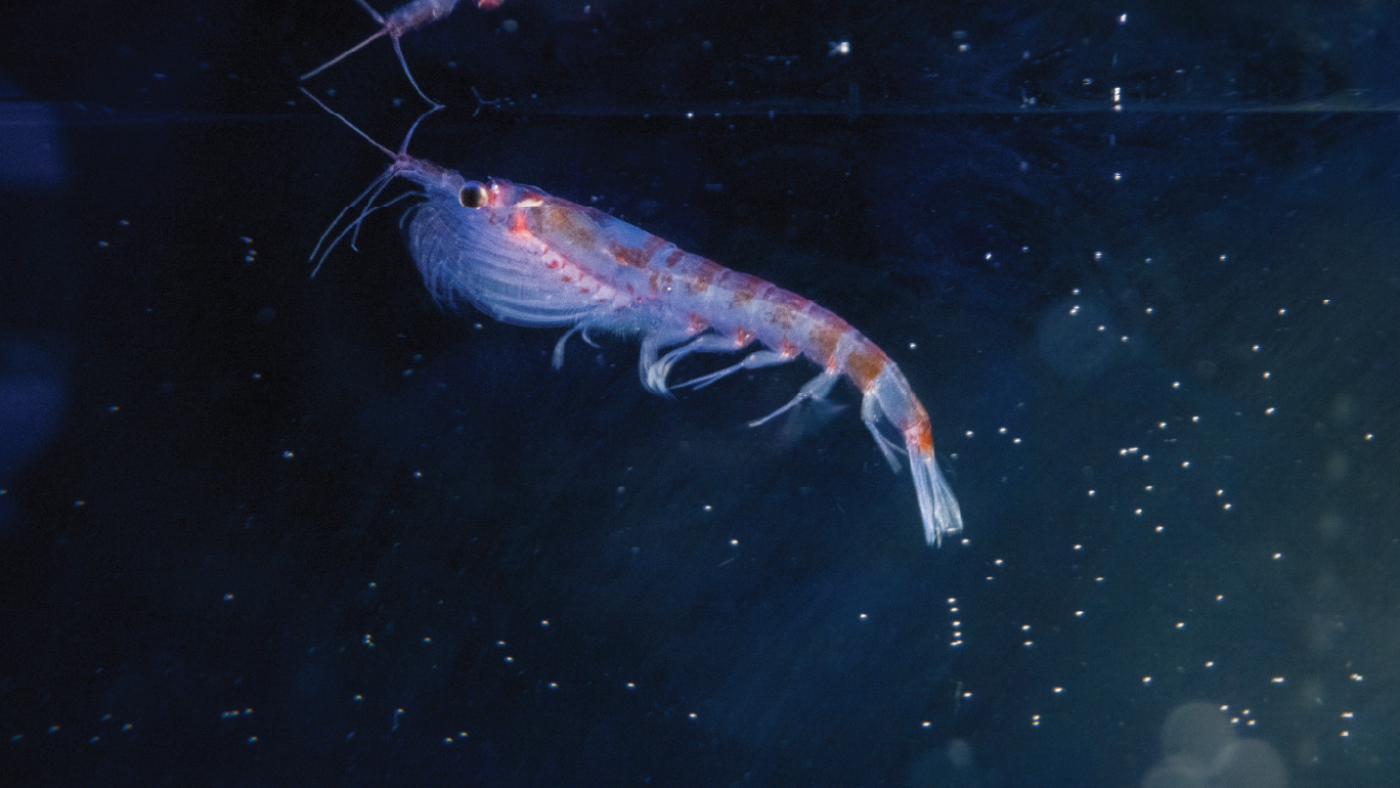
In the freezing reaches of the Southern Ocean, scientists have stumbled upon a mystery involving one of the planet’s most vital creatures. During a recent expedition off the Antarctic Peninsula, researchers discovered Antarctic krill congregating around hydrothermal vents more than 3,600 feet below the surface. While these shrimp-like crustaceans are typically found in massive swarms near the ocean surface where they feast on sun-dependent algae, finding them at deep-sea hot springs is entirely unexpected.
The discovery happened almost by accident during a mission led by the National Geographic and Rolex Perpetual Planet Southern Ocean Expedition. Biological oceanographer Kim Bernard was taking a tea break in the ship’s galley when she noticed a flash of movement on a monitor displaying live footage from a remotely operated vehicle. What she saw looked like an underwater ballet, with krill performing pirouettes and backflips around towering chimneys of minerals and scalding water. Screaming with excitement, Bernard rushed to the control room to ensure the team captured specimens before the window closed.
What makes this find particularly startling is that every specimen collected was a reproductive female heavily laden with eggs. For years, scientists believed these females released their eggs closer to the surface over deep water, but this sighting suggests a far more complex migration pattern. The journey to such extreme depths requires immense energy and exposes the krill to potentially toxic heavy metals like lead and cadmium, leading Bernard to wonder exactly what reward justifies such a risky trip.
Initial analysis of the recovered krill reveals two compelling theories. First, the animals appeared to be feeding on microbes unique to the vent system, providing a reliable food source that doesn’t depend on seasonal sunlight. Second, tests showed high levels of manganese in their tissues, a mineral essential for embryo development that is otherwise scarce in the Southern Ocean. Between these nutrients and the warmth provided by the vents which could accelerate egg growth, it seems these deep-sea hotspots might act as crucial nurseries for the next generation of krill.
Understanding this hidden behavior comes at a critical time for the region. As one of the fastest warming areas on Earth due to climate change, the Antarctic ecosystem is under severe stress. Because krill serve as the primary food source for everything from penguins to blue whales, any shift in their habitat or breeding habits could ripple through the entire food web. By uncovering why these tiny creatures venture into the abyss, researchers hope to develop better strategies for safeguarding one of nature’s most fundamental lifelines.