
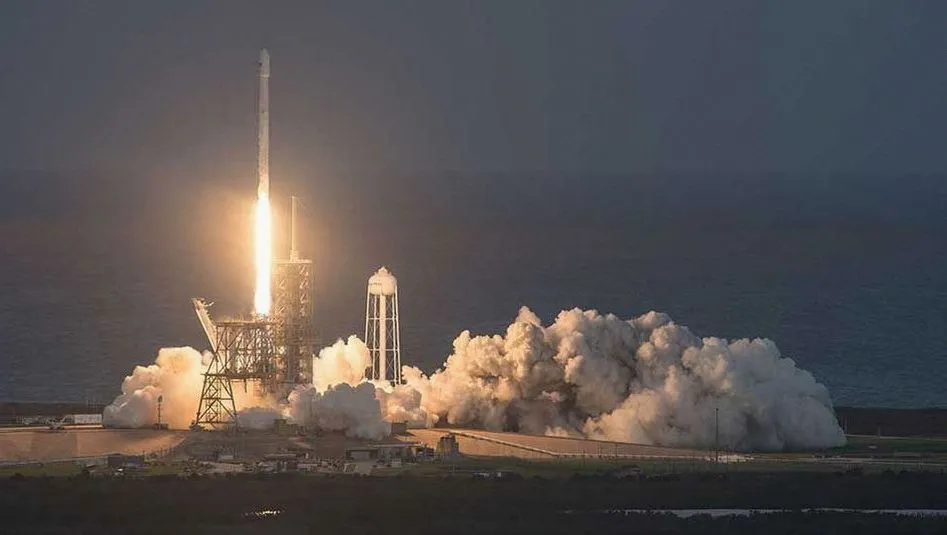
SpaceX is preparing to return to the launch pad for another attempt at deploying a critical mission for the Space Development Agency. After previous hurdles stalled the initial effort, the company is now coordinating a new window to get these essential satellites into orbit. This mission represents a key piece of the government’s broader strategy to enhance orbital surveillance and communication capabilities through a distributed network of smaller spacecraft.
The timing comes during an exceptionally crowded period for Elon Musk’s aerospace venture. With a relentless cadence of Starlink deployments and crewed missions to the International Space Station, engineers are working around the clock to slot this high priority payload back into an already packed manifest. Managing such a tight schedule requires precision choreography between ground crews and flight controllers to ensure safety isn’t compromised by speed.
Despite the pressure of a busy calendar, there is significant optimism surrounding this upcoming rally. SpaceX has built a reputation for rapid iteration and recovery, often turning technical setbacks into streamlined successes within short timeframes. Industry observers view this reattempt as more than just a logistical necessity, seeing it instead as a test of how well the company can balance commercial growth with stringent military requirements.
As the countdown begins once again, all eyes will be on whether the second attempt provides the seamless ascent needed to satisfy federal partners. Success here would further cement SpaceX’s role as the primary backbone for national security launches while proving that their operational tempo can handle simultaneous demands from both private investors and government agencies.